Menu


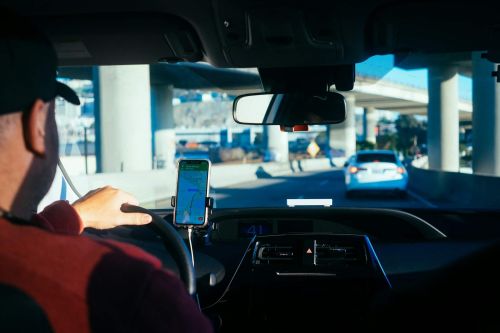
One of the reasons personal injury claims can get so complicated is because of all the variables at play in any given accident. Sometimes it’s just two vehicles in question; other times the accident can involve pedestrians, bicyclists, trucks, multiple vehicles, rideshare vehicles, and even driverless vehicles.
Each situation is unique, and the circumstances around each accident will directly impact the outcome of the case. For car accidents involving an Uber driver, those specific details matter immensely, especially in terms of who pays the medical bills.
For that, the answer depends on several factors, including who caused the accident and what the Uber driver was doing at the time of the crash. Unlike a typical two-vehicle accident, rideshare cases often involve multiple insurance policies and different layers of coverage.
Here's what makes Uber accidents different from other types of crashes in Texas.
In a standard Texas car accident, the process is relatively straightforward. The at-fault driver's insurance is typically responsible for covering damages.
Uber accidents are different because, although Uber drivers use their personal vehicles when shuttling passengers around, they may also be covered by insurance policies provided through Uber.
For cases involving rideshare accidents, insurance coverage depends heavily on what the driver was doing at the time of the crash.
If the driver was driving with the app off, their personal auto insurance would apply. In these instances, the accident is generally treated like any other car accident.
If they were driving with the app on and either waiting for a ride request or driving with a passenger in their vehicle, Uber/Lyft company policies may apply (though they may apply at different coverage levels).
For example, if the driver is available and waiting for a ride request, Uber provides a layer of liability coverage that may apply if the driver's personal insurance does not fully cover the damages. If the driver was picking up or transporting a passenger, the highest level of rideshare coverage generally applies.
This is one reason rideshare accidents often involve extensive investigation. Determining exactly when the driver logged in, accepted a ride, or began transporting a passenger can significantly impact the claim - and this type of evidence does not always stick around for long.
Texas follows an “at-fault” system, meaning the driver who caused the crash (and their insurance) is ultimately responsible for paying for your medical expenses. But those payments only come after your personal injury case is resolved, which can take months or even longer if negotiations or litigation are involved.
Until then, if you have health insurance, your medical insurer may pay for associated healthcare costs (minus co-pays, deductibles, etc.) per your insurance policy. Alternatively, other sources of medical expense coverage may include Personal Injury Protection (PIP) or Medical Payments Coverage (MedPay).
Some hospitals or doctors may also treat you under a medical lien, which means they agree to wait for payment until your case settles. That said, liens are statutory and dictated by the state. Not all hospitals can have a lien. To understand all your options for medical bill payment after a car accident, consider working with a personal injury attorney who can answer your questions and may be able to negotiate a Letter of Protection (LOP) with medical providers on your behalf so you can get treated right away.
If you've been injured in an accident involving an Uber driver, you don't have to figure out the insurance maze on your own.
At McKinney Vos PLLC, we help injured Texans investigate rideshare accidents, identify available insurance coverage, and pursue compensation for medical expenses, lost wages, pain and suffering, and other damages.
If you or a loved one has been injured in an Uber accident in Texas, contact our team today to schedule a free consultation.
Who pays my medical bills after an Uber accident? The at-fault driver's insurance is ultimately responsible, but that payment typically comes only after your case is resolved. In the meantime, your own health insurance, PIP, or MedPay coverage may pay costs upfront.
Does Uber's insurance cover every accident involving a driver? No. Coverage depends on what the driver was doing at the time of the crash: whether the app was off, on and waiting for a ride request, or actively transporting a passenger.
What if the Uber driver had the app off during the crash? The accident is generally treated like a standard car accident, and the driver's personal auto insurance applies.
What if I don't have health insurance to cover treatment while my case is pending? An attorney may be able to negotiate a Letter of Protection (LOP) with medical providers, allowing you to get treated now and pay once your case settles.
Why do rideshare accident claims often require more investigation? Determining exactly when the driver logged in, accepted a ride, or began transporting a passenger affects which insurance policy applies, and that evidence can disappear quickly.
--
Jessica McKinney is a Texas personal injury attorney and co-founder of McKinney Vos PLLC, representing injured Texans in Austin and throughout the state.
© 2026 McKinney Vos PLLC
Legal Disclaimer | Privacy Policy
Law Firm Website Design by The Modern Firm